How to choose the best foundation for your skin
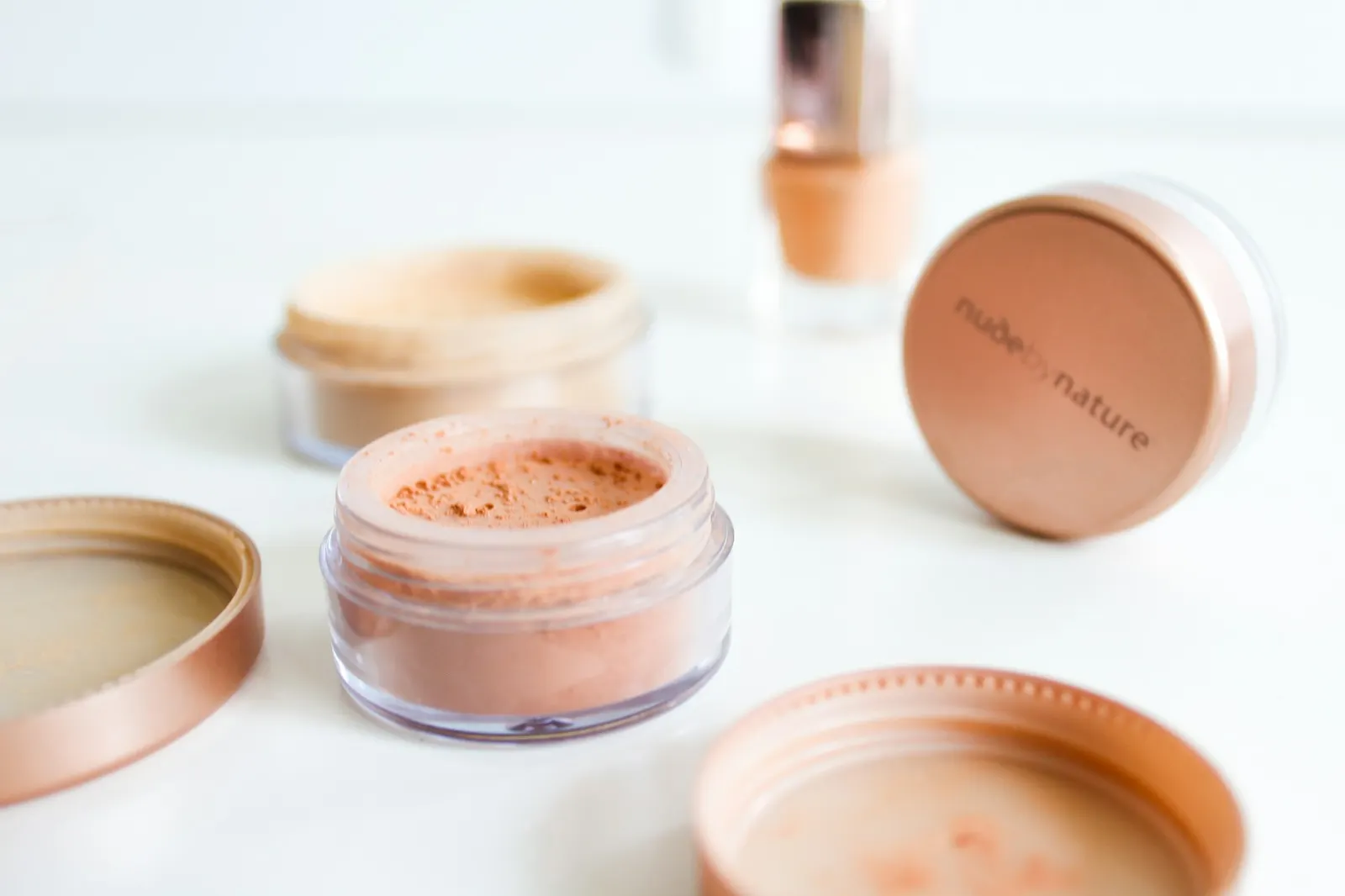
Choosing the best foundation comes down to three things in order: match your undertone (not just how light or dark you are), pick coverage and finish for your skin type, and always test it in daylight along the jawline. Get those right and your foundation disappears into your skin instead of sitting on top of it. Here’s how I work through each step.
Start with undertone, not shade
The most common foundation mistake is matching depth — light, medium, deep — while ignoring undertone, which is the warm, cool or neutral cast underneath your skin. It’s why a shade can look “right” in the bottle and orange or grey on the face.
A quick way to read yours:
- Cool — veins look blue or purple; silver jewellery suits you; skin can flush pink.
- Warm — veins look green; gold jewellery suits you; skin leans golden or olive.
- Neutral — a mix of both, and most shades sit comfortably.
Match the foundation’s undertone to yours first, then fine-tune the depth.
Pick coverage and finish for your skin type
Coverage and finish do most of the heavy lifting, and the right pairing depends on your skin type rather than the occasion.
| Skin type | Coverage | Finish | Watch out for |
|---|---|---|---|
| Oily | Medium, long-wear | Soft-matte / satin | Mattes that look flat — set only the T-zone |
| Dry | Light–medium, buildable | Luminous / dewy | Matte formulas clinging to dry patches |
| Combination | Medium, zoned | Mixed by area | One finish all over — treat zones differently |
| Sensitive | Light–medium | Natural | Fragrance and known irritants; patch-test |
| Mature | Light–medium, buildable | Luminous | Heavy coverage settling into fine lines |
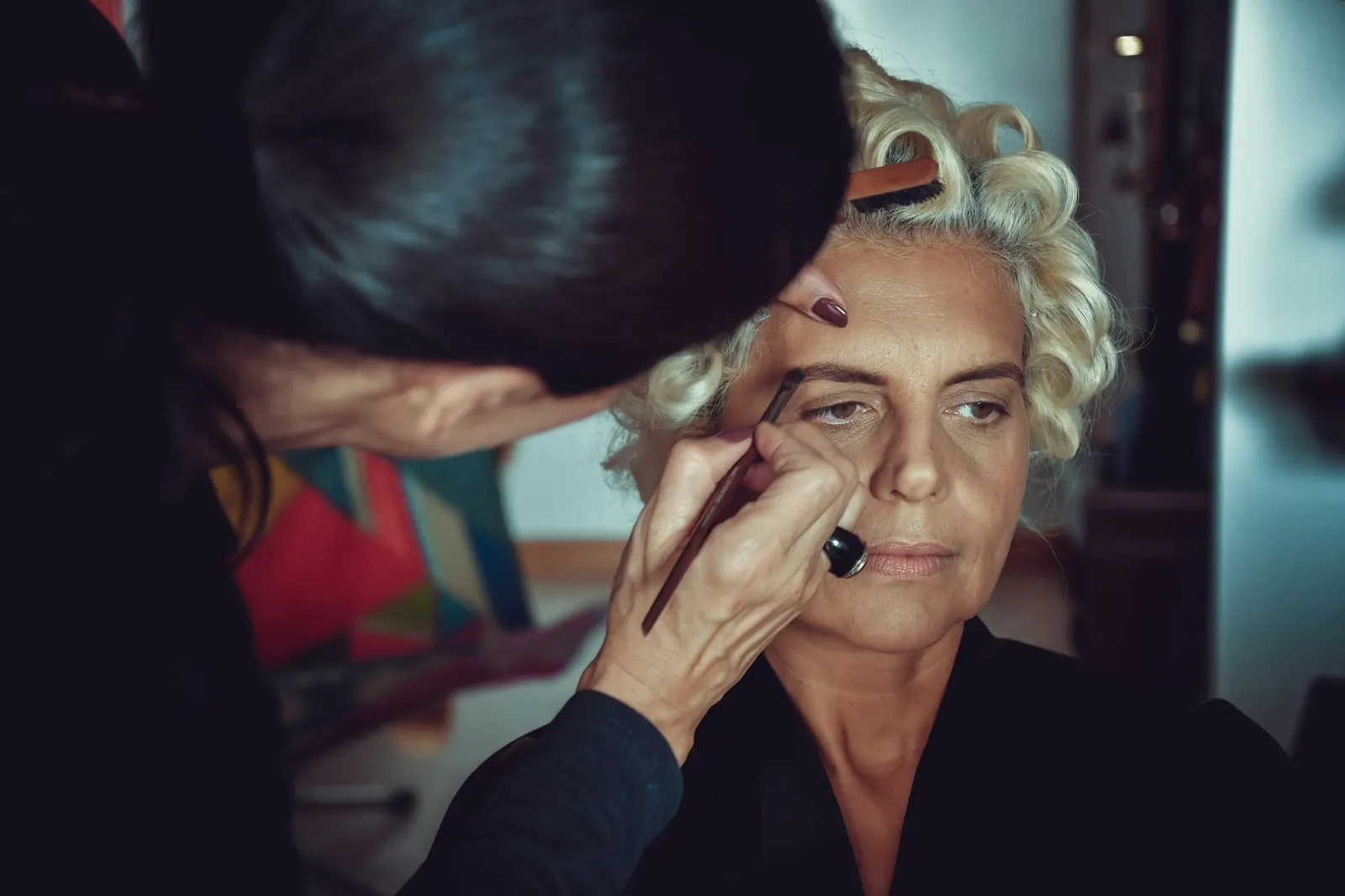
As a rule, choose the lightest coverage that does the job and build only where you need it. Layers of full-coverage everywhere is what tips foundation from skin-like into mask. This is the same logic I bring to a bridal makeup base, where the foundation has to look natural up close and hold for twelve hours.
Test it in daylight, on the jaw
Shop lighting lies. The only reliable way to judge a match is to swatch three nearby shades along the jawline — bridging face to neck — and step into natural daylight. The correct one seems to vanish; the wrong ones leave a visible line. Never test on the back of your hand, which is usually a different colour from your face entirely.
If you can, wear a swatch for a few hours. Many foundations oxidise and deepen slightly once they meet your skin’s natural oils, so a shade that looked perfect at the counter can read too dark by lunchtime.
Adjust through the seasons
Your “best” foundation isn’t fixed. Skin deepens through a Perth summer and lightens over winter, so it’s normal to keep two shades and blend them as the year turns — or to mix a drop of a lighter base in the cooler months. Humidity matters too: dewy formulas that glow in winter can slide on a sticky February morning, where a longer-wear satin holds better.
Let me match it for you
Foundation matching is genuinely hard to do alone, in your own bathroom light, with a handful of shades. With 10+ years behind me and training through Lancome, YSL, Giorgio Armani and Mecca, this is the part I love most — reading undertone, choosing the finish your skin actually wants, and matching in the real light of the day. As a mobile artist I bring the full kit to you anywhere across Perth, from Fremantle to the Swan Valley. Tell me your skin type and any concerns when you enquire, and I’ll have the right base ready.